
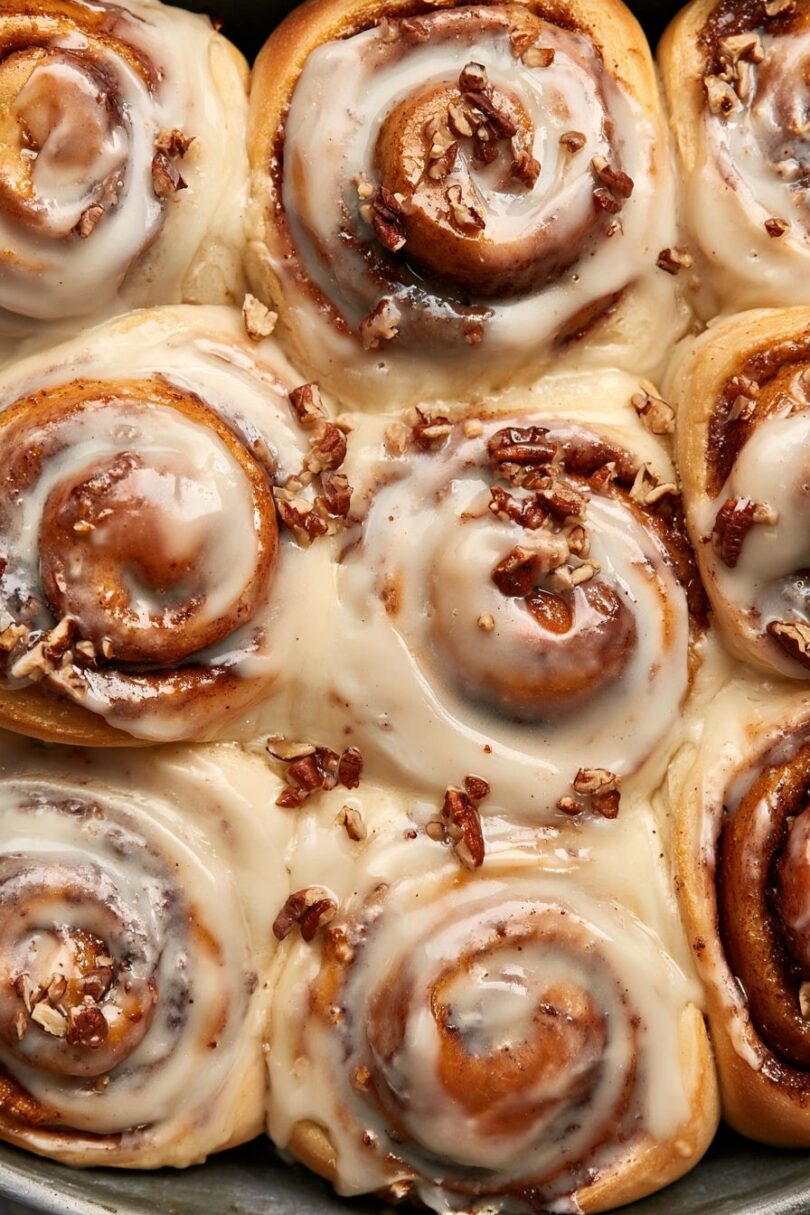
Homemade cinnamon rolls are soft, fluffy, and filled with a buttery brown sugar and cinnamon swirl, then finished with a smooth cream cheese icing that melts into every warm layer. Made with a yeast dough from scratch, these cinnamon rolls have that classic bakery-style appearance, with golden tops, tender centers, and a rich cinnamon aroma that fills the kitchen as they bake.

The best part is how the different textures come together. The dough provides a light, pillowy base, the cinnamon-sugar filling creates sweet, spiced ribbons throughout each roll, and the cream cheese icing adds a creamy finish with a hint of vanilla. They make a lovely breakfast or brunch treat, but they are just as welcome alongside an afternoon cup of coffee. With a few simple ingredients and some time for the dough to rise, you can make a homemade batch that feels special enough for a holiday morning and comforting enough for an ordinary weekend.
Why You’ll Love This Recipe
- Soft, fluffy dough: Yeast helps create the tender texture that makes a cinnamon roll satisfying to pull apart, with delicate layers in every bite.
- A generous cinnamon swirl: Brown sugar, ground cinnamon, and softened butter combine to form a sweet filling that runs through the rolls.
- Creamy homemade icing: Full-fat cream cheese, butter, powdered sugar, and vanilla create a smooth topping that complements the warm spices.
- Made with everyday ingredients: All-purpose flour, milk, water, yeast, sugar, butter, and an egg form the foundation of this classic homemade treat.
- Perfect for sharing: Cinnamon rolls are easy to arrange on a serving platter and serve at breakfast, brunch, or a relaxed gathering.
- Customizable sweetness: You can use light or dark brown sugar in the filling, depending on whether you prefer a milder sweetness or a deeper molasses flavor.
Preparation and Tools
Before starting, gather a large mixing bowl, measuring cups and spoons or a kitchen scale, a small saucepan, a sturdy spoon or spatula, a rolling pin, a sharp knife or unflavored dental floss, a baking dish, and an electric mixer or whisk for the icing.
Accurate flour measurement is particularly important for this recipe. The dough calls for 4–5 cups of all-purpose flour, equivalent to approximately 520–650 grams. Begin with the lower amount and add more only as needed to achieve a workable dough. Spoon the flour into your measuring cup and level the top rather than scooping directly from the bag, which can pack in too much flour.
Allow the egg to come to room temperature before mixing. The cream cheese and butter for the icing should also be at room temperature so they blend smoothly. Keep the separate butter portions organized: the dough uses ¼ cup, the filling uses 6 tablespoons, and the icing uses 5 tablespoons.
Preparation Tips for Soft Homemade Cinnamon Rolls
Measure the flour carefully
The amount of flour needed can vary depending on how it is measured and the moisture in the dough. Start with 4 cups, or 520 grams, and evaluate the texture before adding more. A good yeast dough should be soft and slightly tacky rather than dry and stiff. Add the remaining flour gradually if the dough is too sticky to handle comfortably.
Adding all 5 cups immediately can make the dough unnecessarily firm, resulting in rolls that are less tender. Small additions are easier to manage than trying to correct a dough that has become too dry.
Pay attention to the butter and milk
The dough ingredients include water, whole milk, and butter. These provide moisture and richness, while the egg contributes to the dough’s structure and texture. The butter should be cut into four slices as specified, making it easier to incorporate during preparation.
When warming the milk, water, and butter together, avoid overheating the mixture. Excessive heat can damage the yeast when the liquids are added to it. Aim for a comfortably warm mixture rather than one that feels hot to the touch, and follow the yeast package guidance if it specifies a temperature range.
Use very soft butter for the filling
The filling butter should be soft enough to spread easily across the rolled-out dough. If it is too cold, it may tear the dough or create uneven patches. If it is melted and runny, it can be harder to distribute evenly and may cause the sugar mixture to slide around.
Softened butter creates a more consistent layer, helping the brown sugar and cinnamon cover the dough without leaving large gaps.
Give the dough enough time to rise
Yeast dough needs time to expand and develop its airy texture. Rising time depends on the temperature of your kitchen, so use the dough’s appearance as your main guide rather than relying only on the clock. A comfortably warm, draft-free spot generally helps the dough rise steadily.
Avoid rushing the process by placing the dough somewhere excessively hot. A gradual rise gives you more control over the dough’s texture and makes it easier to shape.
Ingredients for Homemade Cinnamon Rolls
The recipe uses three components: enriched yeast dough, cinnamon-sugar filling, and cream cheese icing.
For the dough
- All-purpose flour: The main structural ingredient. The recipe allows 4–5 cups, or 520–650 grams, so you can adjust the amount according to the dough’s consistency.
- Granulated sugar: A ¼-cup portion adds sweetness to the dough.
- Instant yeast: The 2¼ teaspoons, or one package, help the dough rise and develop its fluffy texture.
- Salt: Just ½ teaspoon balances the sweetness and rounds out the dough’s flavor.
- Water and whole milk: The ¾ cup of water and ½ cup of whole milk provide moisture. Whole milk also contributes richness.
- Unsalted butter: The ¼ cup of butter adds tenderness and flavor to the dough.
- Large egg: One room-temperature egg enriches the dough and helps bind the ingredients.
For the cinnamon filling
- Unsalted butter: Six tablespoons of very soft butter make it easy to spread the filling across the dough.
- Brown sugar: Three-quarters of a cup of packed light or dark brown sugar supplies sweetness and a warm, caramel-like flavor.
- Ground cinnamon: One and a half tablespoons provide the distinctive spice that defines these rolls.
For the cream cheese icing
- Full-fat block cream cheese: Four ounces create a creamy icing with a gentle tang. Block cream cheese is preferable to a softer spreadable product for a thicker consistency.
- Unsalted butter: Five tablespoons help make the icing smooth and rich.
- Powdered sugar: One and a half cups sweeten and thicken the topping.
- Pure vanilla extract: One teaspoon adds a fragrant vanilla note that complements the cinnamon and cream cheese.
How to Make BEST Homemade Cinnamon Rolls
Step 1: Prepare the yeast dough
Measure the flour, granulated sugar, instant yeast, and salt into a large mixing bowl. Stir to distribute the dry ingredients evenly.
Warm the water, whole milk, and sliced butter together until the butter has softened or melted and the liquid mixture is warm, not hot. Add the warm mixture to the dry ingredients along with the room-temperature egg. Mix until the ingredients come together into a rough dough.
Start with the smaller amount of flour and add more gradually if necessary. The dough should come together without becoming excessively dry. Once it forms a workable mass, knead until it becomes smoother and more elastic. This can be done by hand on a lightly floured surface or with a stand mixer fitted with a dough hook.
The dough should feel soft and supple, with enough structure to hold its shape. If it sticks slightly to your fingers, that is generally preferable to adding so much flour that it becomes stiff.
Step 2: Let the dough rise
Place the kneaded dough in a lightly greased bowl and cover it with a clean kitchen towel or suitable cover. Leave it in a warm, draft-free place until it has risen noticeably and is approximately doubled in size.
The exact timing will depend on your kitchen temperature and the activity of the yeast. Rather than judging the rise by time alone, look for a dough that has expanded and feels lighter and airier than it did immediately after kneading.
Allowing the dough to rise properly helps produce cinnamon rolls with a soft interior. If the dough has barely expanded, give it additional time instead of moving straight to shaping.
Step 3: Roll out the dough
Once the dough has risen, transfer it to a lightly floured work surface. Gently press it to release some of the larger air pockets, then roll it into a broad rectangle using a rolling pin.
Try to keep the thickness reasonably even from one end to the other. An evenly rolled sheet makes it easier to distribute the filling and helps the finished rolls cook at a similar rate.
Use only enough flour on the work surface and rolling pin to prevent sticking. Too much additional flour can dry out the outer layers and make the dough harder to roll.
Step 4: Add the cinnamon-sugar filling
Spread the 6 tablespoons of very soft unsalted butter evenly over the dough, leaving a little room around the edges if needed to help with rolling. In a small bowl, combine the packed brown sugar and ground cinnamon, then distribute the mixture over the butter.
Cover the surface as evenly as possible so the cinnamon flavor runs through the entire batch. Pay attention to the corners and edges, where it is easy to leave bare patches.
Light brown sugar gives the filling a relatively delicate molasses flavor, while dark brown sugar provides a deeper, more pronounced taste. Either option works with the specified ingredients.
Step 5: Roll and cut the cinnamon rolls
Starting from one long side of the rectangle, roll the dough into a log. Keep the roll snug enough to create defined layers, but avoid pulling or stretching the dough excessively.
Position the log seam-side down to help it hold together. Cut it into individual rolls using a sharp knife or unflavored dental floss. Dental floss can be especially useful because it slices through the soft dough without pressing down as much as a knife.
Arrange the rolls in a suitable baking dish, leaving enough room for them to expand as they rise and bake. Try to make the pieces similar in size so they cook evenly.
Step 6: Allow the rolls to rise again
Cover the shaped rolls and leave them in a warm place until they become puffy and expand noticeably. This second rise helps create the soft, airy texture associated with homemade cinnamon rolls.
The rolls should look fuller, with the dough beginning to expand around the cinnamon-sugar layers. Rising time will vary according to room temperature, so check their appearance before proceeding.
Avoid overcrowding the baking dish so tightly that the rolls cannot expand properly. At the same time, arranging them close enough together allows their sides to remain soft as they bake.
Step 7: Bake until golden and cooked through
Bake the risen rolls according to your recipe’s specified oven temperature and baking time. The supplied ingredient list does not include those details, so use the original recipe instructions for the exact settings rather than relying on an invented temperature or duration.
Look for lightly golden tops and centers that appear set rather than wet or doughy. The rolls should have expanded and developed distinct swirls, while the filling should look melted into the layers.
Allow the rolls to cool slightly before adding the icing. They can still be warm, but letting them rest briefly helps the topping retain more of its creamy consistency instead of immediately melting into a thin liquid.
Step 8: Make the cream cheese icing
In a mixing bowl, beat the room-temperature cream cheese and butter until smooth and creamy. Add the powdered sugar gradually, mixing until it is incorporated. Stir in the vanilla extract and continue mixing until the icing is uniform, with no noticeable lumps of cream cheese or butter.
If the cream cheese is too cold, it can form small lumps that are difficult to smooth out. Starting with softened ingredients makes the process easier and produces a more consistent texture.
Spread the icing over the slightly warm cinnamon rolls. Use a spoon or spatula to guide it across the tops, allowing some of the icing to settle into the cinnamon swirls.
Serve the rolls warm for a soft, tender texture and a creamy finish.
What to Serve With BEST Homemade Cinnamon Rolls
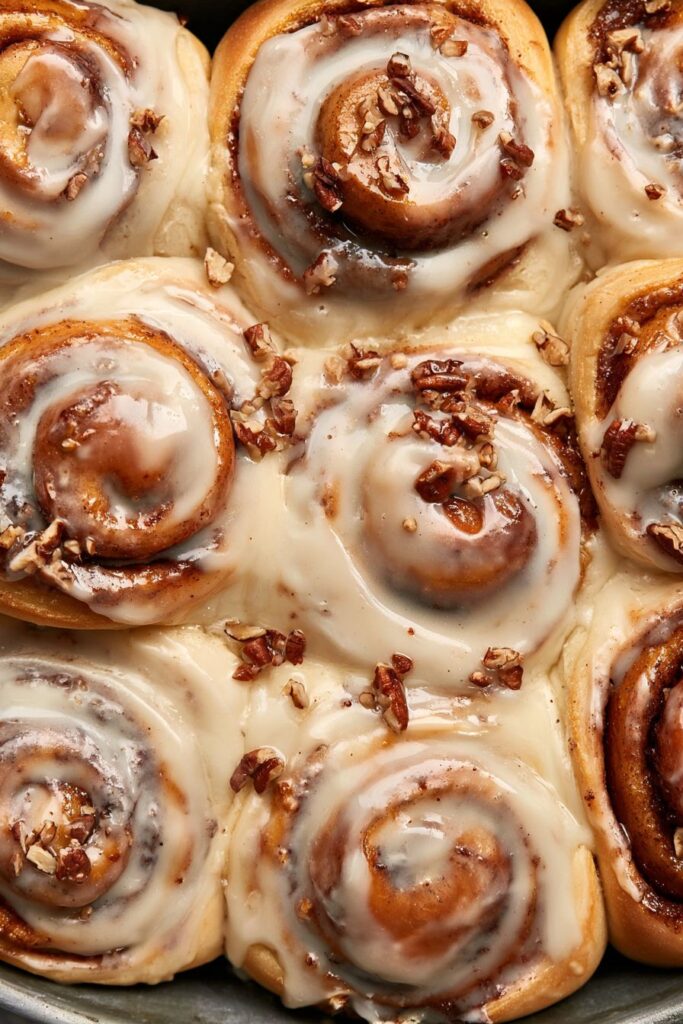
These homemade cinnamon rolls are rich, sweet, and warmly spiced, so they pair well with drinks and breakfast dishes that balance their buttery texture. Serve them as the centerpiece of a weekend breakfast or add them to a larger brunch spread.
- Freshly brewed coffee: The roasted flavor of coffee balances the sweetness of the brown sugar filling and cream cheese icing. Serve it black or with a splash of milk.
- Hot tea: Black tea, chai, or a mild breakfast blend complements the cinnamon without competing with the vanilla icing.
- Fresh fruit: Strawberries, blueberries, orange segments, and sliced apples bring freshness and a little natural tartness to the plate.
- Scrambled eggs: Soft scrambled eggs provide a savory contrast and help turn the cinnamon rolls into a more substantial breakfast.
- Crispy breakfast potatoes: Seasoned breakfast potatoes add a savory, satisfying option for brunch when you want a mix of sweet and salty flavors.
- A glass of cold milk: Milk is a classic companion for cinnamon rolls, especially when the rolls are served warm and the icing is soft.
For a simple breakfast, one warm cinnamon roll with coffee and fresh fruit is enough to make the meal feel special. For a holiday brunch, arrange the rolls on a serving platter and offer coffee, tea, eggs, and fruit on the side.
Storage Instructions
Because these cinnamon rolls contain a cream cheese icing, storage is important for maintaining both their texture and freshness.
How to store cinnamon rolls in the refrigerator
Allow the rolls to cool before storing them. Place leftovers in an airtight container, or cover the baking dish securely, and refrigerate them with the cream cheese icing.
For the best quality, enjoy refrigerated leftovers within 3–4 days. The dough may become firmer in the refrigerator, but gentle reheating helps soften it again.
How to reheat leftover cinnamon rolls
For an individual serving, place a cinnamon roll on a microwave-safe plate and heat it in short intervals until warmed through. Start with approximately 10–15 seconds, then check the center and continue briefly if necessary. The exact time depends on the size of the roll and the power of your microwave.
Avoid overheating, which can make the dough tough or cause the icing to melt excessively. If you prefer to warm several rolls, cover them in an oven-safe dish and heat them in a low oven until warmed through.
Can you freeze homemade cinnamon rolls?
Yes, you can freeze the baked rolls. For the best results, allow them to cool completely, then wrap individual rolls or portions securely and place them in a freezer-safe container or bag.
For good quality, use them within approximately 2–3 months. Thaw the rolls in the refrigerator or at room temperature, then reheat gently before serving.
You can also freeze the rolls before baking, although the results depend on how the yeast dough is handled and frozen. Because the exact make-ahead and freezing procedure is not specified in the supplied recipe, follow a tested yeast-dough freezing method if you choose this option.
Can you prepare cinnamon rolls ahead of time?
Preparing the dough and shaping the rolls in advance can make breakfast easier, particularly when serving guests. However, the timing of the second rise needs to be managed carefully.
For an overnight preparation, use a reliable refrigerated cinnamon-roll method that specifies when to refrigerate the shaped dough, how long to chill it, and how to finish the rise before baking. Do not leave the dough at room temperature overnight, as it may overproof.
For the simplest approach, bake the rolls ahead, refrigerate them with their icing, and reheat individual portions when needed.
Estimated Nutrition
The following nutrition information is an estimate rather than a verified laboratory analysis. Actual values will depend on the amount of flour used, the number and size of the rolls, and how much icing is served with each portion.
Estimated calories per serving: approximately 350–450 calories, assuming the batch makes around 12–15 rolls.
The main sources of calories are the flour, butter, sugar, egg, cream cheese, and powdered sugar. Larger rolls or a more generous layer of icing will increase the calories per serving.
For a more accurate estimate, calculate the nutrition using the exact quantities used in your kitchen and divide the total by the actual number of rolls produced.
Frequently Asked Questions
Why are my homemade cinnamon rolls not soft?
One common reason is adding too much flour. A dough that is too dry can produce dense rolls instead of a soft, tender interior. Measure the flour carefully, begin with the lower amount listed in the recipe, and add more gradually only when needed.
Insufficient rising time can also affect the texture. Give the dough enough time to expand during both rises, using its appearance as your guide.
Can I use dark brown sugar instead of light brown sugar?
Yes. The recipe specifically allows either light or dark brown sugar. Light brown sugar provides a milder molasses flavor, while dark brown sugar creates a deeper, richer taste in the filling. Both work with ground cinnamon and butter.
Can I use active dry yeast instead of instant yeast?
The supplied recipe calls for 2¼ teaspoons of instant yeast. Active dry yeast can often be substituted in yeast dough, but it may require a different preparation method and can affect rising time. Follow the instructions on your yeast package and use a conversion appropriate for the product.
Avoid assuming that the dough will rise at exactly the same rate after changing the yeast type.
How do I know when the dough has risen enough?
During the first rise, the dough should expand noticeably and become approximately twice its original size. During the second rise, the shaped rolls should look visibly puffier and fuller.
Kitchen temperature affects rising time, so visual cues are more useful than following a rigid timetable. If the dough has not expanded sufficiently, allow it more time before moving to the next stage.
Why is my cream cheese icing lumpy?
Cold cream cheese or butter is often responsible. When the ingredients are too firm, they may not blend smoothly with the powdered sugar.
Allow both ingredients to reach room temperature before mixing. Beat the cream cheese and butter until smooth before adding the powdered sugar gradually. This helps create a creamy icing with a consistent texture.
Should I ice cinnamon rolls while they are hot?
Let the rolls cool briefly after baking before spreading the icing. Slightly warm rolls allow the topping to soften and settle into the swirls, while very hot rolls can cause it to melt excessively and run off the surface.
If you prefer a thicker layer of icing, allow the rolls to cool a little longer before spreading it.
Can I make these cinnamon rolls without cream cheese icing?
The supplied recipe uses cream cheese icing made with cream cheese, butter, powdered sugar, and vanilla. You can omit the icing if you prefer less sweetness, but the finished rolls will have a different flavor and texture.
For the intended result, use the full icing recipe and spread it over the rolls once they have cooled slightly.
A Sweet Homemade Breakfast Worth Sharing
These homemade cinnamon rolls bring together tender yeast dough, a buttery cinnamon-sugar filling, and smooth vanilla cream cheese icing. Take your time with the rises, keep the dough soft, and spread the filling evenly for rolls with beautiful swirls and a comforting homemade flavor.
Serve them warm with coffee, tea, or fresh fruit, and store any leftovers properly so you can enjoy another roll later. They are a lovely choice for weekend breakfasts, holiday brunches, or whenever you want a freshly baked treat made from scratch.
Print
BEST Homemade Cinnamon Rolls
- Total Time: Approximately 2 hours 30 minutes (estimated, including rising)
- Yield: 12 Rolls 1x
Description
These BEST Homemade Cinnamon Rolls feature soft, fluffy yeast dough filled with buttery brown sugar and cinnamon, finished with a rich, creamy homemade cream cheese icing flavored with vanilla. Perfect for breakfast, brunch, or a special homemade treat.
Ingredients
For the dough:
- 4–5 cups (520g–650g) all-purpose flour, spooned and leveled
- ¼ cup (50g) granulated sugar
- 2¼ teaspoons (1 package) instant yeast
- ½ teaspoon salt
- ¾ cup (180mL) water
- ½ cup (120mL) whole milk
- ¼ cup (60g) unsalted butter, cut into 4 slices
- 1 large egg, at room temperature
For the filling:
- 6 tablespoons (85g) unsalted butter, very soft
- ¾ cup (150g) packed brown sugar, light or dark
- 1½ tablespoons ground cinnamon
For the cream cheese icing:
- 4 oz (115g) full-fat block cream cheese, at room temperature
- 5 tablespoons (70g) unsalted butter, at room temperature
- 1½ cups (195g) powdered sugar
- 1 teaspoon pure vanilla extract
Instructions
- Combine the flour, granulated sugar, instant yeast, and salt in a large mixing bowl.
- Warm the water, whole milk, and sliced butter until the butter softens or melts and the mixture is warm, not hot. Add to the dry ingredients along with the room-temperature egg.
- Mix until a dough forms. Start with 4 cups of flour and gradually add more as needed. Knead until the dough becomes smooth, elastic, and soft.
- Place the dough in a lightly greased bowl, cover, and let rise in a warm place until approximately doubled in size.
- Transfer the dough to a lightly floured surface and roll it into an even rectangle.
- Spread the very soft butter evenly over the dough. Mix the brown sugar and cinnamon, then sprinkle the mixture evenly over the butter.
- Roll the dough tightly from one long side into a log. Cut into individual rolls using a sharp knife or unflavored dental floss.
- Arrange the rolls in a baking dish, cover, and let rise again until noticeably puffy.
- Bake using the oven temperature and baking time specified in the original recipe until the rolls are golden and cooked through.
- Let the rolls cool slightly. Beat the cream cheese and butter until smooth. Gradually mix in the powdered sugar, then add the vanilla extract and beat until creamy.
- Spread the cream cheese icing over the slightly warm rolls and serve.
Notes
- Start with the lower amount of flour and add more gradually to keep the dough soft and tender.
- Make sure the cream cheese and butter for the icing are at room temperature for a smooth, lump-free consistency.
- Allow the rolls to cool slightly before icing so the topping stays creamy rather than melting completely.
- Prep Time: 35 minutes
- Cook Time: 25 minutes
- Category: Recipes
- Method: Baking
- Cuisine: American
Nutrition
- Serving Size: 12 Rolls
- Calories: 450 calories
Keywords: homemade cinnamon rolls, best homemade cinnamon rolls, cinnamon rolls with cream cheese icing, soft cinnamon rolls, cinnamon roll recipe, homemade breakfast rolls
Leave a Comment